
Crews
The Urban Reload crew system explained: create or join a crew, recruit friends, stack perks and climb the global leaderboards together.
Introduction
Crews turn Urban Reload from a solo street grind into a shared project. You can create your own crew or join an existing one, recruit friends and strangers, earn ranks and perks as the crew grows, and take those benefits into everything — farming, PvP and the global leaderboards. This category explains the whole system: how to create a crew, how recruitment works, what ranks and perks you unlock, how crew fights and squad strategies play out, and how crew activity feeds into the public leaderboards. If you play with anyone, even casually, understanding the crew system early saves you from re-rolling social decisions later.
Crew System Quick Reference
| Action | How It Works | Why It Matters |
|---|---|---|
| Create | Start a crew from the game menu | Full control of identity and ranks |
| Recruit | Invite friends or accept applications | Bigger crews unlock more perks |
| Ranks & Perks | Progression with in-game bonuses | Passive value for every member |
| Crew Fights | Coordinated pushes and battles | Beat random solo players reliably |
| Leaderboards | Crew activity feeds global rankings | Public bragging rights |
Crew Profiles
Create
Start your own crew from the game menu and take full control of identity, ranks and rules. Creating a crew is the right move when you already have friends who play together, or when you want the authority to shape recruitment, roles and ambitions from the first member.
Recruit
Invite friends or accept applications to grow the roster that unlocks crew perks. Recruitment is the engine of crew growth, because ranks, perks and leaderboard position all scale with how many active members actually participate.
Ranks & Perks
Crew progression, rank structure and the in-game perks that come with growth. Ranks organize the crew, perks turn growth into passive value, and together they are the main reward for keeping members active across normal farm and fight sessions.
Crew Fights
Coordinated pushes and crew battles that reliably beat random solo players. Crew fights are where the social system turns into a tactical advantage, synchronized pushes, shared callouts and committed timing routinely overcome equal-or-better individual players.
Leaderboards
Crew activity feeds the global rankings, turning results into public bragging rights. Leaderboards give the crew system its incentive loop, participative activity, fights and wins all feed the standings and put top crews in plain view of the whole server population.
Core Mechanics
The crew loop in Urban Reload is simple to enter and deep to master. From the game menu you can create a crew or join one, decide who holds ranks you assign, and start building a roster. Crew progression usually tracks activity and size: the more members participate, the more the crew levels, which unlocks ranks and in-game perks that benefit everyone. In combat, crew play changes tactics completely — synchronized pushes, shared callouts and selfless support beat any collection of solo players, which makes coordinated crews favoured in fights and contested farming zones. On the social side, crew activity also feeds the global leaderboards, putting your crew's progress out in public view and giving top squads serious reputation across the server population.
Advantages
Crews are the fastest multiplier in Urban Reload. Squad farming raises your cash-per-hour by protecting farms and clearing contested spots, crew fights convert your coordination advantage into more wins, and the perks that come with crew ranks add passive value to every session without extra effort. Being in a crew also softens the game's harshest edges: teammates can cover your retreats, bail you out of bad pushes and keep the fun alive when solo play gets stale. Leaderboard pressure gives the grind a shared target, and the social layer makes repeated updates and long farm grinds far more engaging than playing the same city alone for weeks.
Challenges
A bad crew can make things worse. An inactive or real-estate crew dilutes your progress because ranks and perks depend on member activity, and mismatched play schedules mean the coordination benefits never materialize. Leading your own crew adds management overhead — recruitment, rank assignment and keeping people active all cost time that solo players spend earning. Crew fights against organized teams are also harder than random PvP; you cannot just out-aim a disciplined squad with overlapping cover. Finally, leaderboard pressure cuts both ways: a crew that stops playing drops in the rankings, and public standings can become a source of stress rather than motivation.
Frequently Asked Questions
Should I create my own crew or join one?+
How do crew ranks and perks work?+
How do leaderboards reward crews?+
Quick Tips
Recruit with a purpose, not just for the numbers. A crew of eight semi-active friends often outperforms a crew of forty random fill-ins because ranks and perks depend on real participation and fights require coordination. When you invite, look for players who share your playtime, your language and your goals — farmers recruiting farmers, fighters recruiting fighters — so every member contributes to the crew's activity score and everyone benefits from the perks.
Use crew callouts in fights instead of solo heroics. Designate a caller for pushes, announce enemy positions and reload states, and commit together — a synchronized three-player push beats three individual peeks almost every time. This coordination is the crew's real weapon in Urban Reload PvP, and practicing it in lower-stakes farming zones builds the habits your crew relies on when the leaderboard push gets tense.
Match your crew's activity to the leaderboard goal. Casual crews should treat the rankings as a fun side metric and prioritize fun; competitive crews need scheduled fight sessions, active recruitment and clear role assignment to climb. Pick the strategy that matches your members' reality, because an ambitious leaderboard plan in a casual crew breeds burnout, while a relaxed attitude in a competitive crew wastes its potential.
Featured
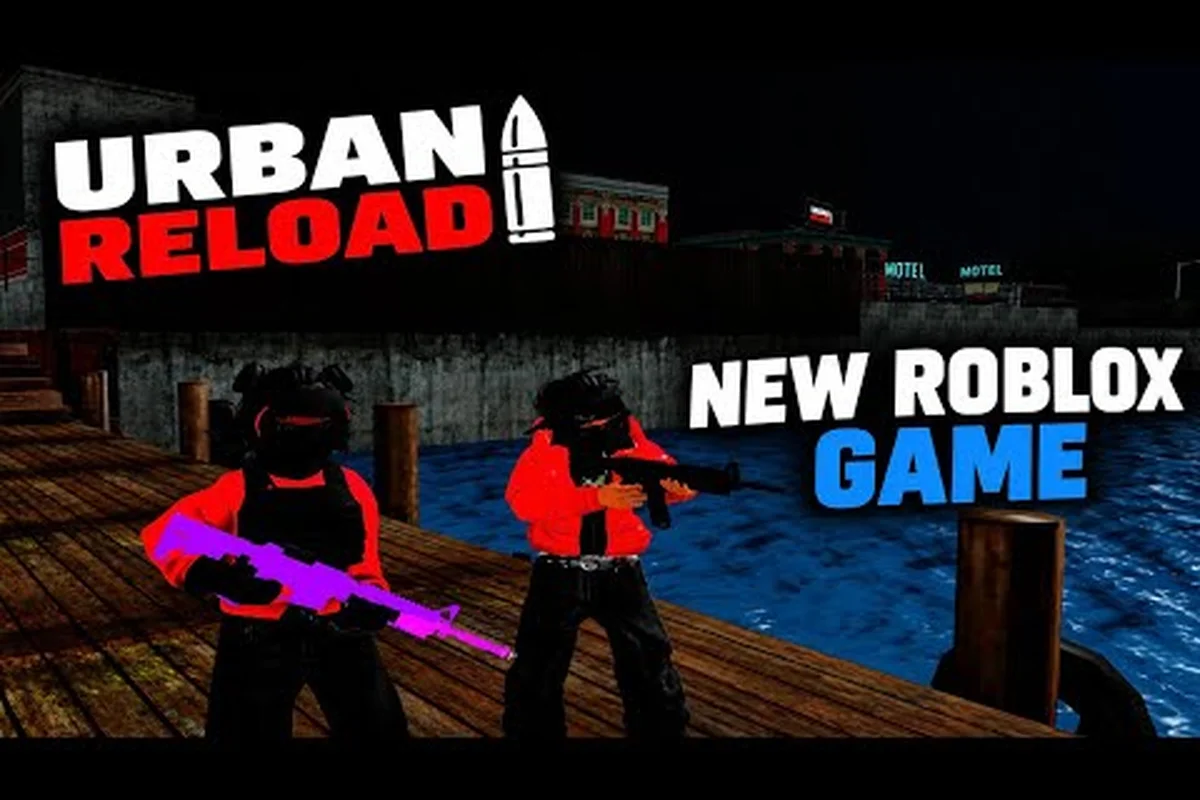
Urban Reload Play with Friends: Squad, Crew, and Team Tips
Start urban reload play with friends by forming a crew, choosing a memorable tag, and coordinating squad strategies for stronger Roblox matches.
Urban Reload Create a Crew: Setup, Ranks, and Perks
Master urban reload create a crew steps, from founding a team and setting a tag to understanding ranks, joining rules, and member perks.
Urban Reload Crew Chat: Invites, Settings, and Leaderboards
Use urban reload crew chat to send invites, adjust crew settings, compare leaderboards, and coordinate with top squads across Roblox.
All Articles
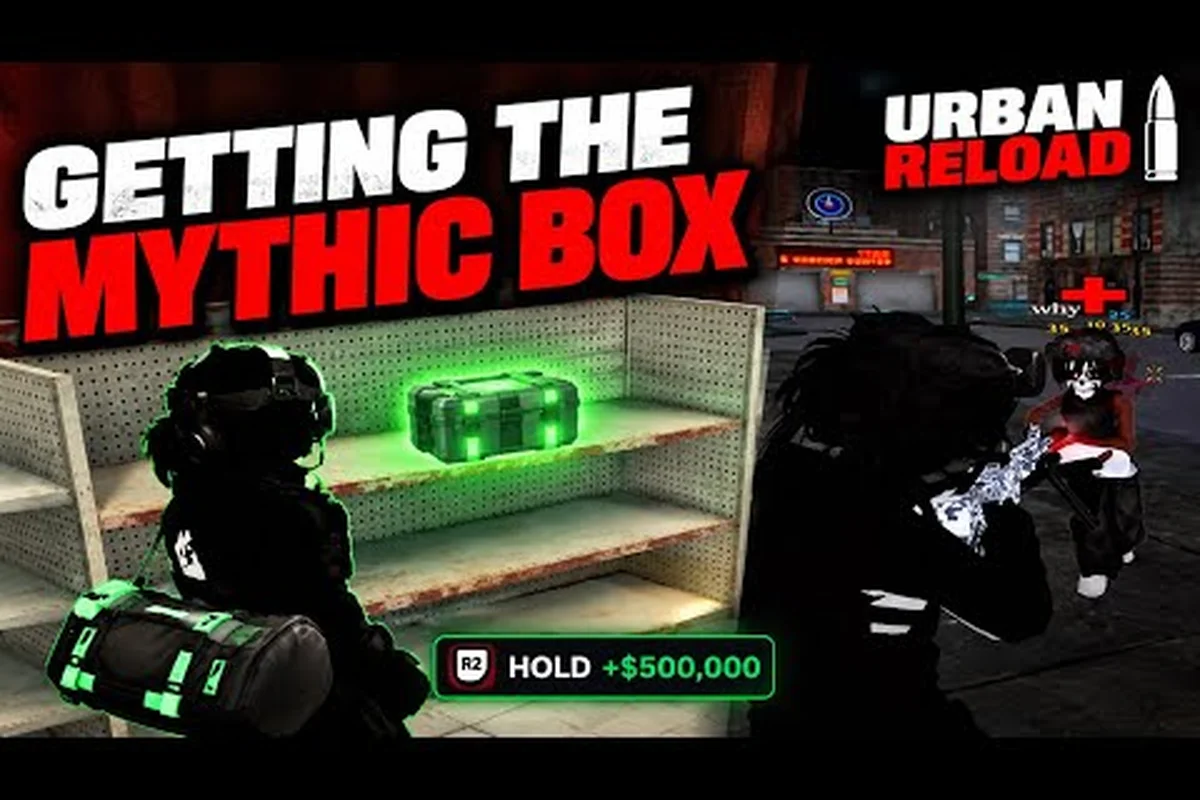
Urban Reload Crew Members: Points, Levels, and Benefits
Understand urban reload crew members with points, crew levels, and progression benefits that show when joining a team beats playing solo.
Urban Reload Crew Rewards: Battles, Wars, and Bonuses
Discover Urban Reload crew rewards from crew battles and wars, plus the bonuses that make recruiting teammates and raising crew power worthwhile.
Urban Reload Disband Crew: Steps Before Leaving a Team
Learn how to leave an Urban Reload crew, assign a successor, transfer responsibilities, and preserve team benefits when disbanding.
Urban Reload Team Up Guide: Build a Winning Crew Strategy
Master this Urban Reload team up guide with practical crew roles, beginner tactics, squad coordination, and strategies for winning group matches.